
Tell us about your place.
A house or condo. Your climate, systems, and responsibilities. “Not sure” is a perfectly good answer.
 HomeOnCueHome care, right on cue.
A calmer way to care for your home
Turn a few details about your home into a clear maintenance plan. See what needs attention, compare DIY with hiring help, and keep a record of the work.
No account or card needed to explore · No address required
View plans
A little structure. A lighter mental load.
Start with what you know.
We’ll help you work out what comes next.
A house or condo. Your climate, systems, and responsibilities. “Not sure” is a perfectly good answer.
See what needs attention. Compare DIY and professional options, save a quote, and make room in your care budget.
Log the finished work, its real cost, and who helped. Bring what you learn into the next reminder and budget.
Make the money side of home care clearer
A repaired leak can lower a bill. A well-planned upgrade can reduce energy use. And keeping up with routine care can help prevent expensive failures. Here’s what that can look like in dollars.
Home improvement
For homes that need both air sealing and added insulation. This percentage applies to heating and cooling, not your entire utility bill.
$2,000 is a sample annual bill. Replace it with your own estimate.
ENERGY STAR · 15% modeled U.S. averageIllustrative bill reduction · 10 years
$3,000
before the cost of the work
Sample calculation, not a forecast for your home. Assumes the same annual bill and benefit throughout. Your result may be lower or higher.
Include labor, materials, tools, tax and other project costs. Leave unknown amounts blank; enter 0 only if you expect no cost.
Enter the bill and both cost amounts to calculate this. Unknown costs are never counted as zero.
ENERGY STAR models a 15% national average reduction in heating-and-cooling costs from air sealing plus insulation in typical existing U.S. homes. Climate, construction, existing insulation and the work performed affect the result. This is an improvement project, not a benefit attributed to changing filters.
We multiply the annual bill by the published rate and selected years. Annual bill reduction is rounded to cents. After-cost results subtract your upfront cost and annual upkeep × years. The multi-year result assumes the work stays effective; future repair and replacement costs must be included in your entries to be reflected.
These are simple, undiscounted scenarios. Inflation, changing utility rates, financing, incentives, the value of your time and any HomeOnCue subscription are excluded. Nothing is added for avoided damage, resale value or hypothetical emergencies. These are benefits of the work, not measured customer savings from HomeOnCue.
Read the original ENERGY STAR guidanceFor a home with a conventional septic system, EPA puts the costs in perspective:
Different jobs and timeframes—not a savings calculation. Maintenance helps prevent failures; eventual replacement and some repairs remain necessary. Local quotes and system needs vary.
EPA · Septic care and cost examplesHomeOnCue brings the job, the options and the record together—so you can decide what deserves your time and money.
Build your free home plan. Start with the work that actually applies.
Sources checked September 14, 2026 · U.S. reference examples · No guaranteed savings or local quotes.
Make room for the work
Some jobs are a good Saturday project. Others deserve a professional. Compare the supplies, effort, and service scope before you decide.
Save your choice and build a recurring care allowance. When the work is finished, keep the real cost and the company you’d call again.
Build a care budgetCheck its condition first. Then decide how to handle the work.
A plan for the years ahead.
Choose DIY or hire, set a budget interval, and see the annual allowance update.
Local examples currently cover selected Long Island services. Source, date, and scope stay visible. Your own estimates work anywhere.
Your plan, beyond this browser
Start free, with no payment card required. Create an account to save your home setup, maintenance plan, history, and care budget. Saving a home does not turn on email. Automatic maintenance reminders are coming with HomeOnCue Plus.
Check saving & email settingsYour home has its own rhythm
The care a Northeast house needs is different from a Florida home or a condo. Your plan follows the systems you have and the things you’re responsible for.
Northeast · Detached home
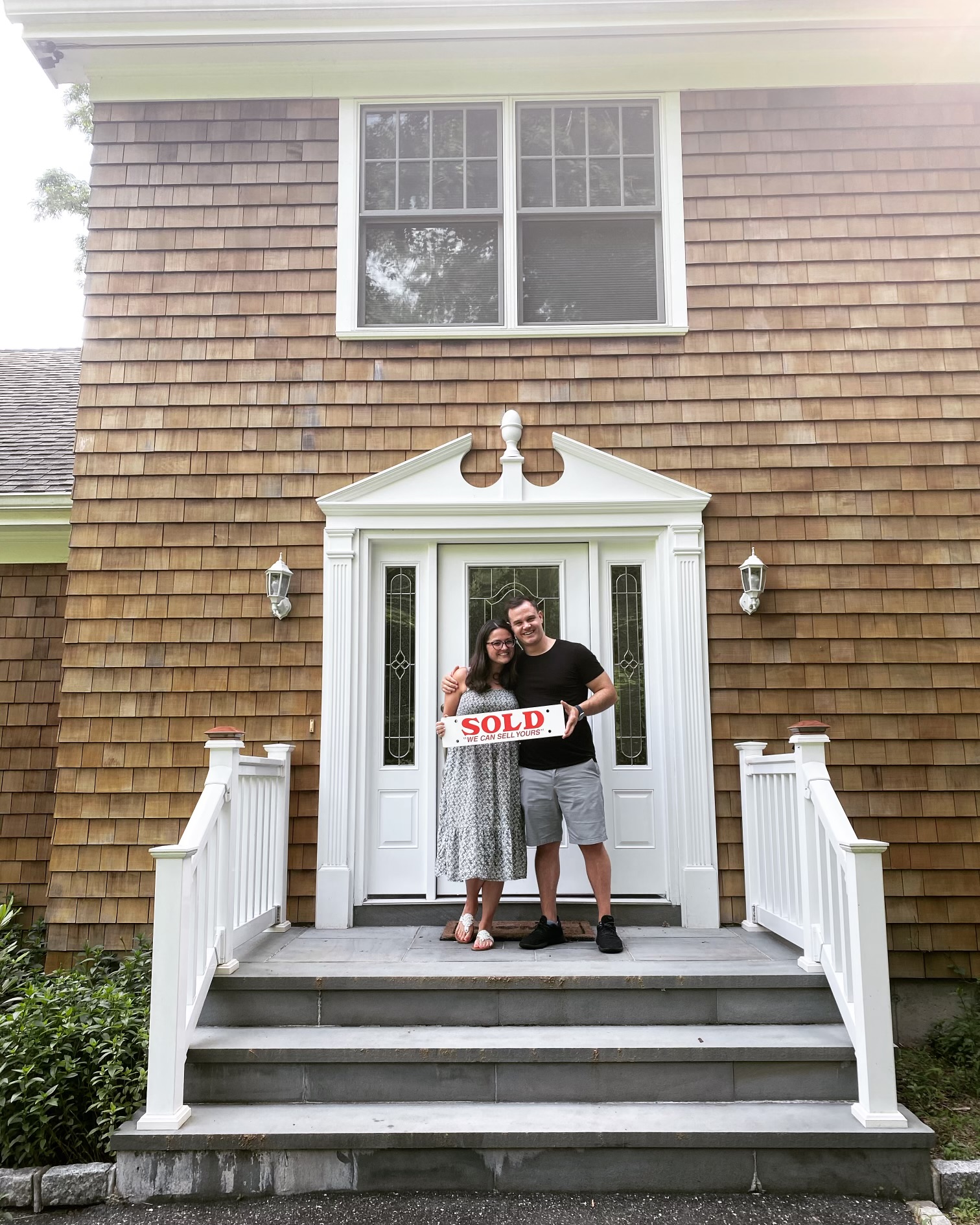
Why I built HomeOnCue
When I bought my first home in 2022, I knew it would need care. I didn’t know all the things I should be checking—or how to decide what to tackle myself, when to call someone, and what it might cost.
My background in quantitative analysis gave me a way to approach that uncertainty: make the assumptions clear, break the problem into manageable decisions, and learn from what actually happens. That became HomeOnCue—a personal maintenance plan that helps you choose the next job, compare your options, and keep a useful record.
I’m building it for the homeowner I was in 2022: someone who wanted to take good care of their home but didn’t yet know all the questions to ask. The goal is simple—know what needs attention, remember what you’ve done, and feel more confident looking after the place you call home.
A plan you can understand
A useful reminder needs a reason.
Here’s how we build your plan.
Your systems, climate, and maintenance responsibilities determine which tasks appear. Where an answer is missing, setup prompts help you identify what you have.
Task details distinguish published guidance, manufacturer-defined care, and HomeOnCue’s own planning prompts. Follow the source links to see the context.
Initial dates are planning suggestions when there’s no care history. Safety comes first; you can adjust dates and set equipment-specific intervals from your manual or service provider.
Examples from our source registry
Guidance you can follow back to the source.
HomeOnCue helps you organize routine care. It cannot assess your home’s condition or replace an inspection. Your equipment instructions and qualified professionals guide the work itself.
No street address is needed to build a plan. Try a sample, save your own home when you’re ready, and export your care history or delete your saved home from Settings.
A few things to know
The idea is simple:
less guessing, more looking after.
A home cared for, a little at a time.
Explore a sample or start your own plan.